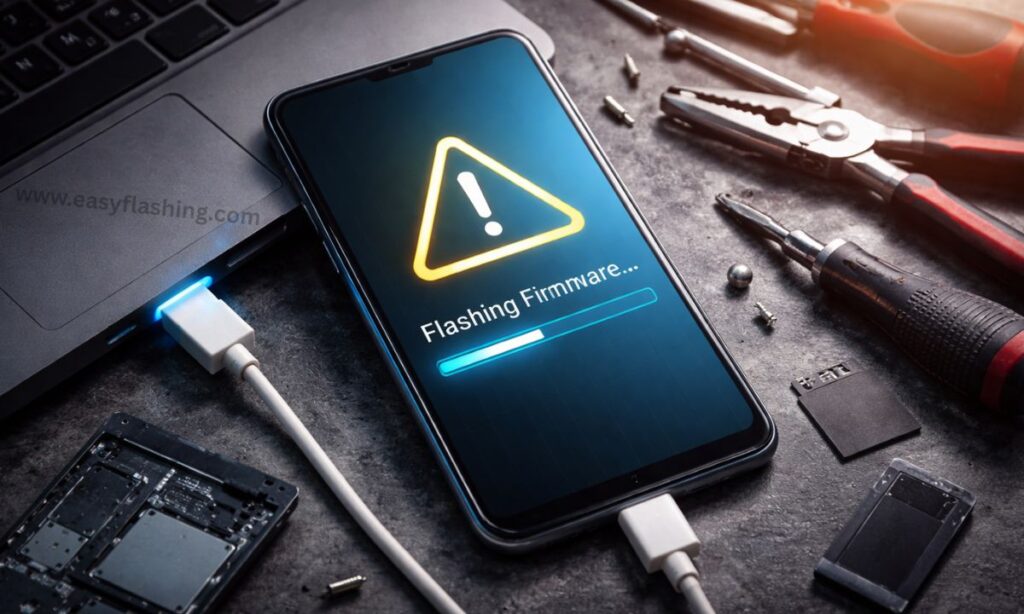
Android Flashing Risks Explained, What Can Go Wrong & How to Avoid It is a topic every Android user should understand before modifying their device. Flashing an Android phone can unlock powerful features, fix software problems, or install a fresh operating system. However, flashing also comes with serious risks if done incorrectly.
Many beginners flash their phones after watching short tutorials or reading incomplete guides. They often focus on benefits and ignore the dangers. As a result, phones get stuck in boot loops, lose important data, or stop working completely.
This in-depth guide explains Android flashing risks in simple language. It covers what flashing means, what can go wrong, why mistakes happen, and how you can reduce risks step by step. If you are a beginner, this article will help you make informed and safe decisions.
What Is Android Flashing? (Simple Explanation)
Android flashing means installing or reinstalling system software on an Android device. This software can include:
- Stock firmware (official system software)
- Custom ROMs
- Recovery images
- Boot images
- Modem or vendor files
Flashing replaces existing system files with new ones. This process changes how your phone works at a deep system level.
Why People Flash Android Phones
- Fix software errors or boot problems
- Remove malware or unwanted apps
- Upgrade or downgrade Android versions
- Install custom ROMs for better performance
- Unlock features not available by default
While flashing can be useful, it is not risk-free.
Why Understanding Android Flashing Risks Is Important
Flashing is not like installing a normal app. It directly affects core system files. A small mistake can make the phone unusable.
Understanding Android flashing risks helps you:
- Protect your device from permanent damage
- Avoid data loss
- Save money on repairs
- Decide whether flashing is really necessary
- Prepare properly before starting
Beginners often underestimate these risks, which is why knowledge is essential.
1. Data Loss – The Most Common Android Flashing Risk
What Happens
Flashing usually wipes user data. This includes:
- Photos
- Videos
- Contacts
- Messages
- App data
Some flashing processes erase everything automatically.
Why It Happens
- Factory reset during flashing
- Corrupt partitions
- Incompatible firmware
- Incorrect flashing options
How to Avoid It
- Always back up your data
- Use cloud backup and local storage
- Double-check wipe options before flashing
Data loss is common but completely avoidable with preparation.
2. Soft Brick – When the Phone Won’t Boot Properly
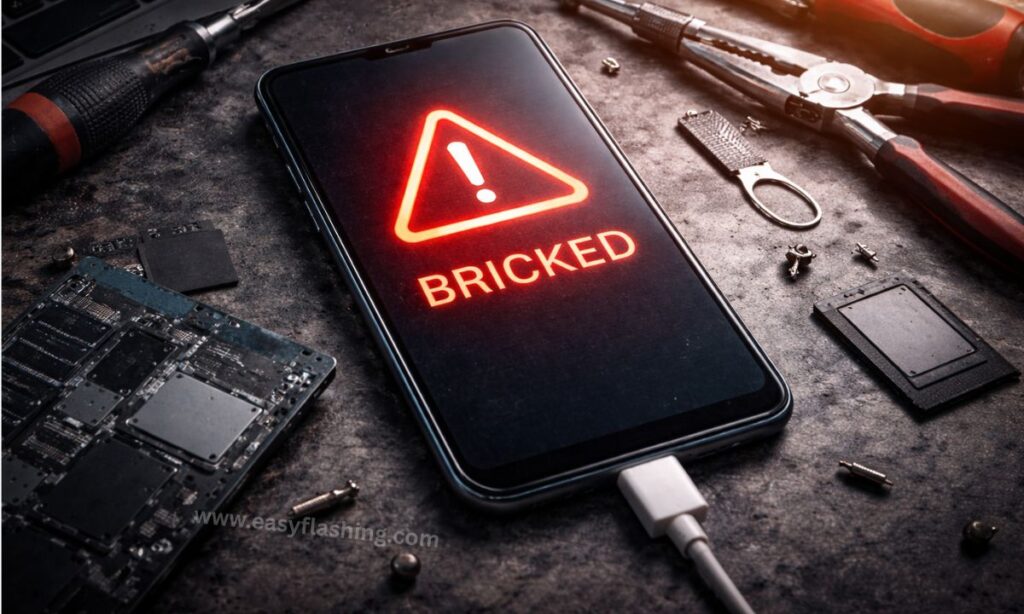
What Is a Soft Brick
A soft-bricked phone:
- Turns on but does not boot
- Gets stuck on logo
- Enters boot loop
- Shows recovery errors
Causes of Soft Bricking
- Flashing wrong firmware version
- Incomplete flashing process
- Corrupted ROM files
- Flashing without required dependencies
How to Fix or Avoid It
- Flash correct firmware for your exact model
- Verify file integrity before flashing
- Keep battery charged
- Follow complete flashing instructions
Soft bricks are usually fixable but stressful for beginners.
3. Hard Brick – The Most Serious Flashing Risk
What Is a Hard Brick
A hard-bricked phone:
- Does not turn on
- Shows no charging sign
- Is not detected by computer
- Appears completely dead
Why Hard Bricks Happen
- Flashing bootloader incorrectly
- Interrupting flashing process
- Flashing firmware for wrong chipset
- Power failure during critical steps
Can It Be Fixed?
- Sometimes requires professional tools
- Often expensive to repair
- In some cases, permanently damaged
Hard bricks are rare but extremely serious.
4. Wrong Firmware Installation
Why Firmware Compatibility Matters
Every Android device has:
- Specific hardware
- Unique chipset
- Model-specific partitions
Installing firmware for a different model can break the system.
Common Beginner Mistakes
- Confusing similar model numbers
- Ignoring region-specific firmware
- Flashing modified files from unknown sources
How to Avoid This Risk
- Check model number in settings
- Match firmware exactly
- Read device documentation carefully
This risk causes many boot and hardware issues.
5. Bootloader Lock and Unlock Risks
What Is a Bootloader
The bootloader decides what software your phone can load.
Risks of Unlocking Bootloader
- Voids warranty (on many devices)
- Triggers factory reset
- Reduces system security
- Allows malicious modifications if misused
How to Reduce Bootloader Risks
- Understand manufacturer policies
- Unlock only if necessary
- Relock after flashing official firmware
Bootloader changes should never be rushed.
6. Security Risks After Flashing
What Can Go Wrong
- Reduced system protection
- Exposure to malicious ROMs
- Loss of security updates
- Disabled verified boot
Why Beginners Are at Risk
- Downloading ROMs from untrusted sites
- Flashing modified system images
- Ignoring security warnings
How to Stay Secure
- Use trusted ROM sources
- Prefer official or well-known projects
- Keep system updated
Security risks often appear after flashing, not during it.
7. Loss of OTA Updates
What Are OTA Updates
Over-the-Air updates are official system updates from manufacturers.
Why Flashing Affects OTA
- Modified system partitions
- Custom recovery installed
- Root access enabled
What This Means for Users
- No automatic updates
- Manual updates required
- Possible security delays
This is an important long-term consideration.
8. Warranty Void Issues
Does Flashing Void Warranty?
In many cases, yes.
Manufacturers often detect:
- Bootloader unlock status
- Modified system files
- Custom recoveries
Why This Matters
- Free repairs may be denied
- Replacement claims rejected
- Higher repair costs
How to Reduce Warranty Risk
- Understand warranty terms
- Keep original firmware backups
- Restore stock software before service
Warranty impact varies by brand and region.
9. Battery and Power Risks During Flashing
Why Power Is Critical
Flashing requires uninterrupted power.
What Can Go Wrong
- Battery drains mid-flash
- USB cable disconnects
- Laptop power failure
Results
- Corrupted system files
- Soft or hard brick
- Bootloader damage
How to Prevent This
- Charge phone above 70%
- Use reliable USB cable
- Avoid flashing during power instability
Power issues cause many flashing failures.
10. Tool and Software Compatibility Issues
Common Flashing Tools
- Fastboot
- Odin
- SP Flash Tool
- Manufacturer-specific tools
Risks
- Using outdated tools
- Incompatible drivers
- Wrong flashing modes
Prevention Tips
- Use latest official tools
- Install correct USB drivers
- Follow device-specific guides
Tool mismatch is a silent but dangerous risk.
11. Human Error – The Biggest Risk Factor
Common Human Mistakes
- Skipping steps
- Rushing the process
- Not reading warnings
- Copying wrong commands
Why Beginners Are Vulnerable
- Overconfidence
- Lack of experience
- Following incomplete tutorials
How to Reduce Human Error
- Read full guide before starting
- Double-check every step
- Take breaks if unsure
Patience is a powerful safety tool.
12. How to Safely Prepare Before Flashing Android
Essential Preparation Checklist
- Full data backup
- Exact model confirmation
- Correct firmware download
- Fully charged battery
- Installed drivers and tools
Optional but Recommended
- Read user experiences
- Watch multiple tutorials
- Understand rollback options
Preparation greatly reduces flashing risks.
13. When You Should Avoid Flashing Completely
Flashing is not recommended if:
- Your phone works fine
- You lack basic technical understanding
- No backup is possible
- Device is under warranty
- You cannot afford repair costs
Sometimes, not flashing is the safest choice.
Trusted Resource
For official Android system behavior and security guidelines, you can refer to the Android Developers documentation:
https://developer.android.com
Frequently Asked Questions (Q&A)
1. Is Android flashing dangerous for beginners?
Yes, flashing can be risky for beginners if done without proper knowledge and preparation. Understanding steps and backing up data reduces risk.
2. Can flashing permanently damage my phone?
Yes, incorrect flashing can cause hard brick, making the phone unusable in some cases.
3. Does flashing always delete data?
Most flashing processes erase data, but backups can protect your important files.
4. Is flashing illegal?
Flashing is generally legal, but warranty and software license terms may be affected depending on manufacturer policies.
5. How can I avoid Android flashing risks?
Use correct firmware, follow trusted guides, keep backups, ensure stable power, and avoid rushing the process.
Final Thoughts
Android Flashing Risks Explained – What Can Go Wrong & How to Avoid It is not meant to scare users but to educate them. Flashing can be powerful and useful when done correctly. At the same time, it demands responsibility, patience, and proper understanding.
If you are a beginner, take time to learn, prepare carefully, and evaluate whether flashing is truly necessary. Knowledge and caution are the best tools to avoid costly mistakes and keep your Android device safe.

1 thought on “Android Flashing Risks Explained, How to Avoid It”